
PAN was pleased to be hosting our annual Community and Capacity Building Gathering that brought together people working in HIV, viral hepatitis, STBBI health promotion and harm reduction. The event was held on the traditional, ancestral, and unceded territories of the xʷməθkʷəy̓əm (Musqueam), Tsawwassen, and Kwantlen First Nations in what is often referred to as Richmond, on October 13-14, 2026.
Before we go further, we wanted to extend our gratitude to everyone who shared their knowledge and expertise in a session. Each presentation was so valuable! We want to acknowledge how vulnerable sharing a part of yourself can be as well as how powerful every unique voice and spirit is.
Lastly, thank you to all attendees – your presence was felt and meaningful.
1. Positive Leadership Development Institute (PLDI)
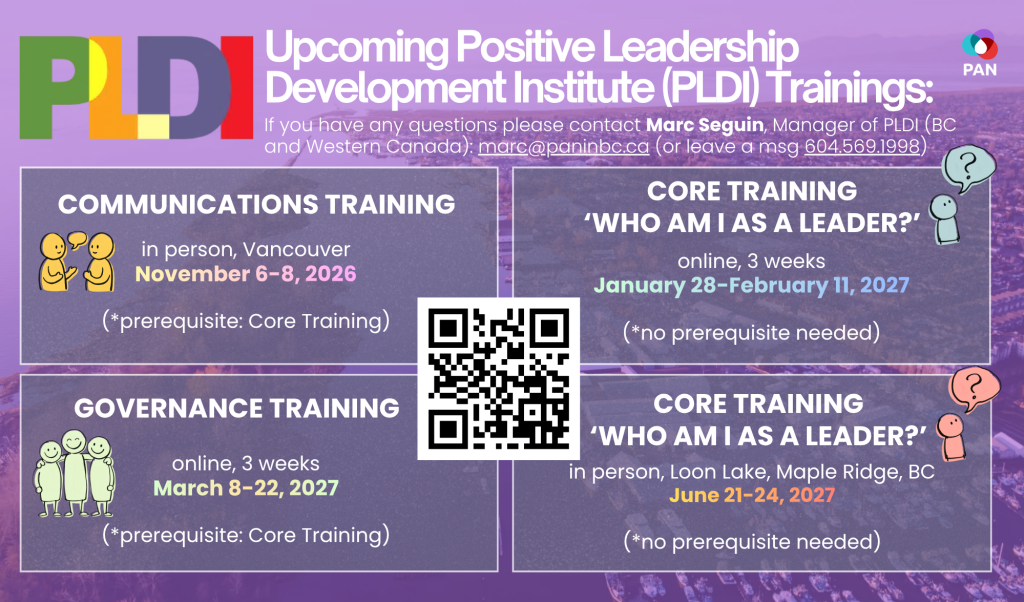
PLDI has lots of upcoming trainings, if you’re interested in applying you can check out their apply page here or if you have any questions please contact Marc Seguin, Manager of PLDI: [email protected] (or leave a msg at 604.569.1998)
2. PAN Evaluation Services
- We specialize in evaluation planning and framework development, focus group, interview, and meeting facilitation, data analysis, and knowledge sharing.
- We can take care of the collecting, analyzing and interpreting of data to examine the efficiency and effectiveness of programs so that organizations can focus on continuous improvement.
- Our team has experience conducting large multi-year evaluations including Public Health Agency of Canada (PHAC) and Health Canada funded projects.
3. Thrive Community of Practice
One of the project’s activities is hosting a Community of Practice for anyone interested in STBBIs and health equity for people who use drugs and/or who have experienced incarceration in SURR communities. If this is you, they’d love you to join the quarterly Community of Practice meeting.
If you are interested in joining future meetings, please REGISTER HERE.
For more information please reach out to [email protected]
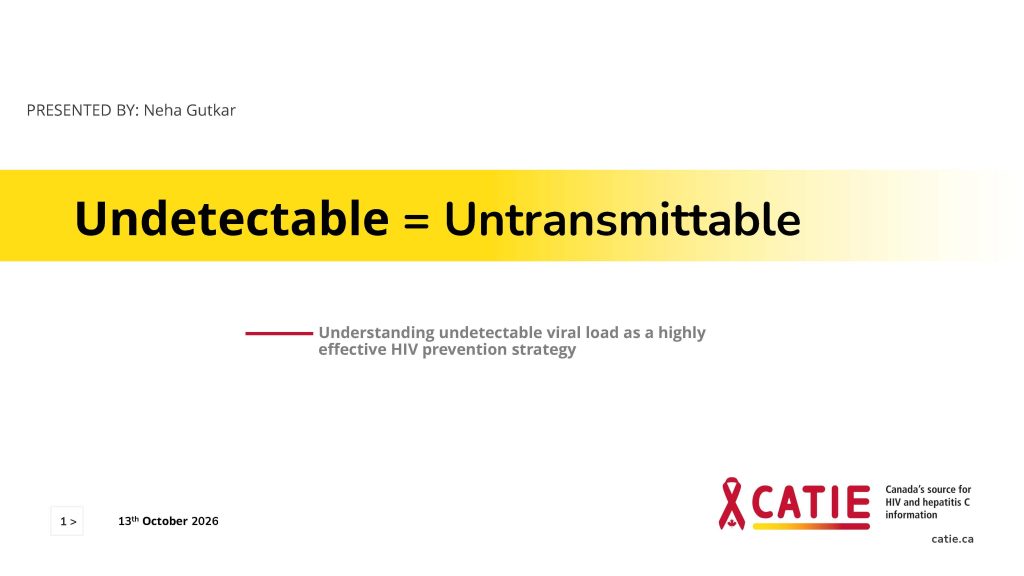
4. Undetectable = Untransmittable CATIE presentation
5. STBBI Epidemiology Update
6. STOP HIV/AIDS Program Evaluation (SHAPE) 2.0 Study: Progress, Lessons Learned, and Next Steps
7. Trivia
- Trivia Slideshow via Canva
- Trivia Participant Answer Sheet
- Looking for Love STTBI Edition
- Trivia Answer Key
8. Community Connections
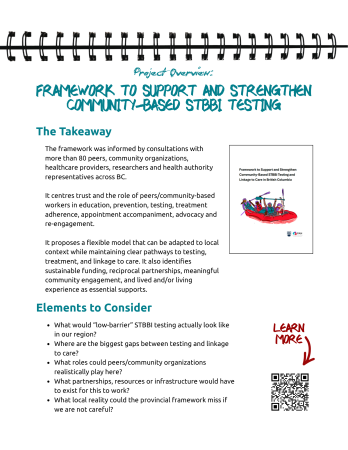
- Framework to Support and Strengthen Community-Based STBBI Testing
- Making it Work Community Guidebook
- Rethinking Viral Hepatitis Prevention: Confronting Systems That Create Risk
- Informing Viral Hepatitis Elimination Efforts in BC: What We Heard
- Embedding Peer-Delivered Services in Community-Based Organizations