
STBBI health equity for people who use drugs including those who have experienced incarceration in Small to Medium Urban, Rural and Remote Communities in British Columbia
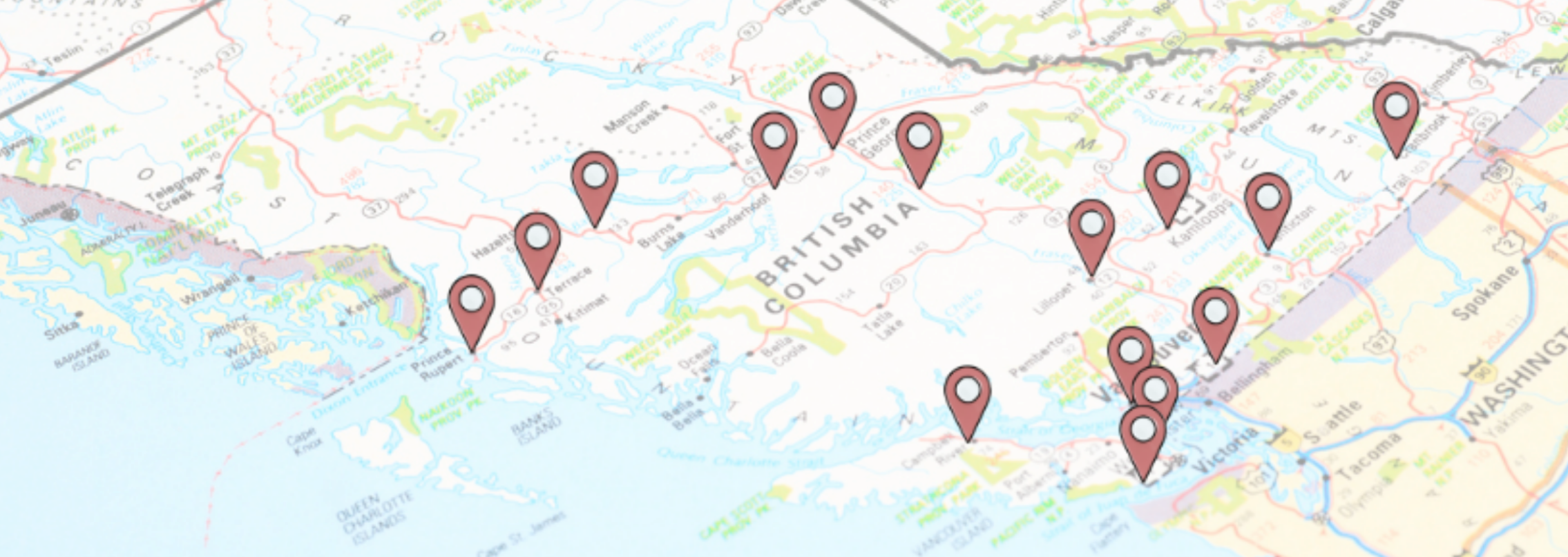
People who use drugs are disproportionately affected by sexually transmitted and blood-borne infections (STBBI) stemming from environments often shaped by poverty, housing and economic instability, violence, stigma and discrimination, criminalization, and the unrelenting legacy of colonialism. Criminalization and incarceration continue increase risk of STBBI for many people who use drugs, while also interrupting ongoing care.
Additionally, there is increasing understanding that living in rural areas affects health, which can have even greater impacts for people who use drugs, including those who experience criminalization of drug use and incarceration. Rural communities are often overlooked in public health responses that focus on cities and usually have fewer options for prevention, testing, and treatment.
Led by PAN and a team of peer leaders, researchers, service providers, and public health partners, the Thrive project focuses on improving STBBI outcomes for people who use drugs, including those who have experienced criminalization and/or incarceration.
Together we will:
- Create a supportive network of people working around BC
- Support and learn from community-led approaches to STBBI prevention, testing, and care
- Identify barriers people face – especially those who have experienced criminalization or incarceration
- Highlight practical, community-based solutions that work in smaller and rural communities
- Share what we learn to help improve programs, policies, and access to care
Project Activities:
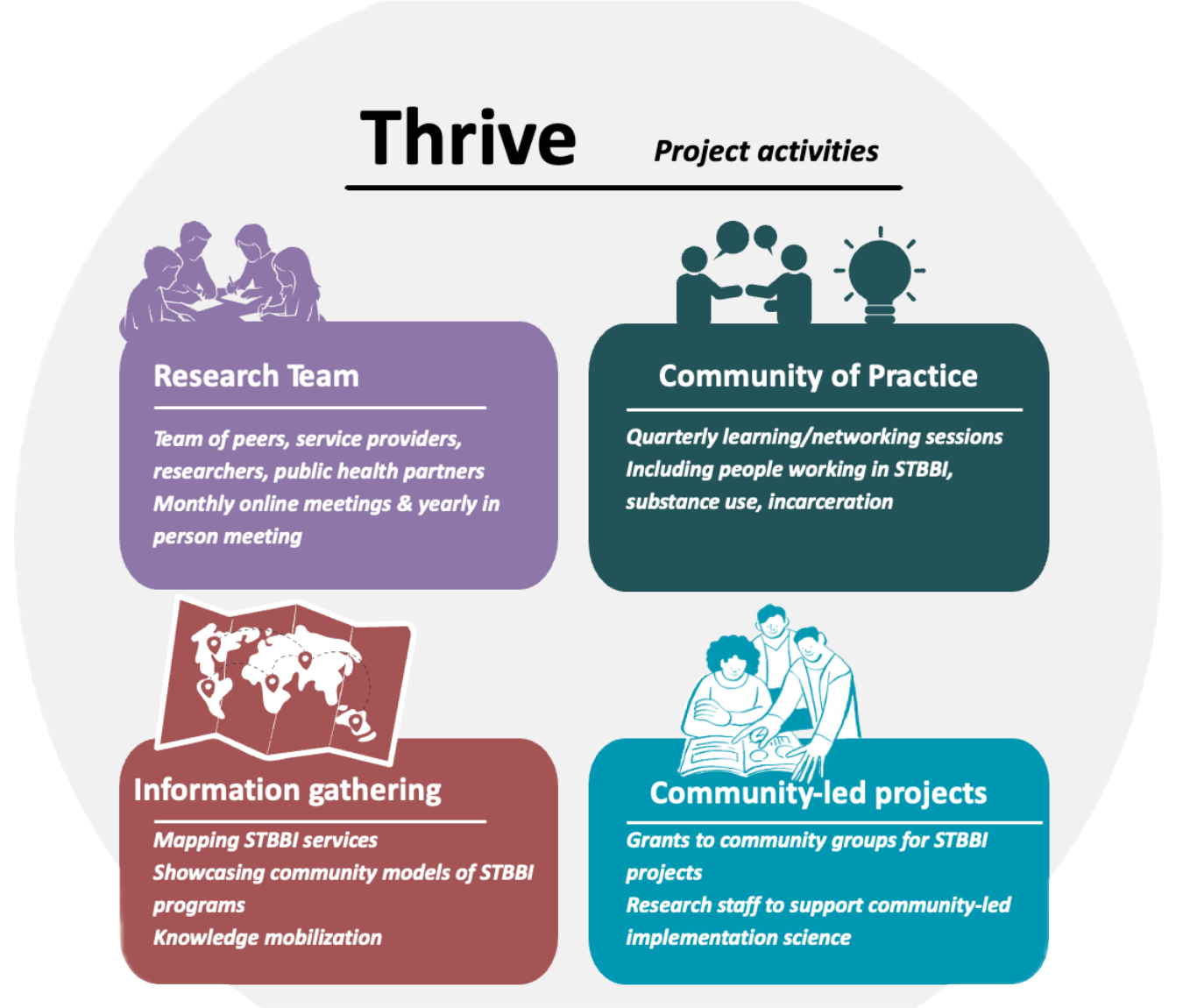
The Thrive Project is a combination of capacity building, networking, research, and knowledge mobilization activities. Activities include monthly virtual and yearly in-person with our community-based research team, quarterly community of practice meetings intended to build networks and share knowledge, information gathering and knowledge mobilization activities, and community-led implementation science projects where community groups will be funded for STBBI projects and be supported by Thrive research staff to do research alongside their projects. Peer Research Mentors (people with lived and living experience related to this project) will support each of these activities.
To learn more about the Thrive project…
If you are interested in joining the community of practice, register here.
To learn more about the Thrive project please feel free to get in touch.
Joanna Mendell, PAN’s Director of Research and Evaluation, [email protected]