
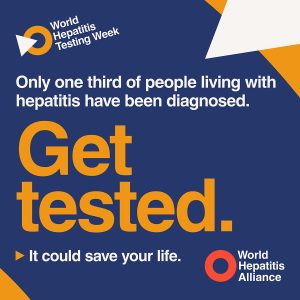
Testing is essential! Knowing if you are living with hepatitis is the first step to getting the treatment and care you need to protect yourself, your loved ones, and the next generation from the risk of cancer and other liver diseases.
World Hepatitis Testing Week is a global campaign highlighting the urgent challenge facing us – the need to dramatically increase testing and diagnosis of hepatitis if we are to reach elimination targets by 2030.
And even during an event like World Hepatitis Testing Week, testing cannot be the only thing we focus on when thinking about how we can address viral hepatitis. Good testing MUST be accompanied by many other good practices. From PAN-Canadian to community-specific frameworks, this is true.
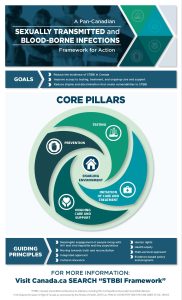
Public Health Agency of Canada. (2016). Pan-Canadian sexually transmitted and blood-borne infections framework for action: infographic.
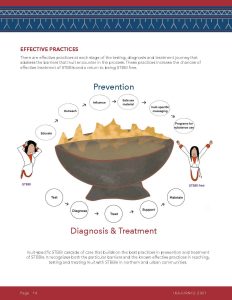
Pauktuutit Inuit Women of Canada. (2021). Ikajurniq: An Inuit cascade of care framework for sexually transmitted and blood borne infections: Updated and expanded.
So what are some of the other elements that go into making sure our response to viral hepatitis is accessible, appropriate, and successful?
1. Resources and Education
PAN’s Hepatitis C Postcards
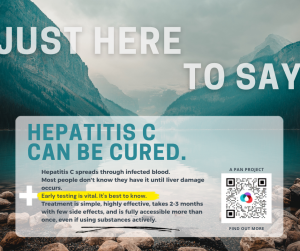
Hepatitis C resources (postcards, posters, social media kit) are now available as free educational and outreach resources developed by PAN in collaboration with the PHSA-supported CIN2.0 Testing Working Group. They are intended to support community engagement, health promotion efforts, and local testing initiatives. The QR code on the resources links to the postcard page and provides access to additional hepatitis C facts on PAN’s website.
2. Vaccines
National Advisory Committee on Immunization (NACI) recommends that all infants should receive routine Hepatitis B (HB) vaccination (2026 update)
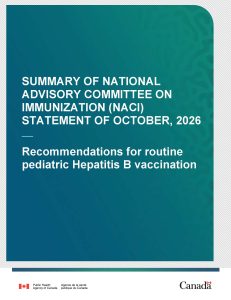
The optimal time to start routine Hepatitis B (HB) vaccination for infants is shaped by current provincial and territorial epidemiology and programmatic considerations. The first dose of the HB vaccine series can be offered within the first 24 hours of birth, or at two months of age, as it is typically the earliest visit in the routine childhood immunization schedule. Please see the full NACI statement for more details.
This has been an Action Hepatitis Canada (AHC) advocacy point for about a decade and is a big win for bringing the needless cases of HBV among children born in Canada down to zero
3. Prevention
Confronting Systems That Creat Risk
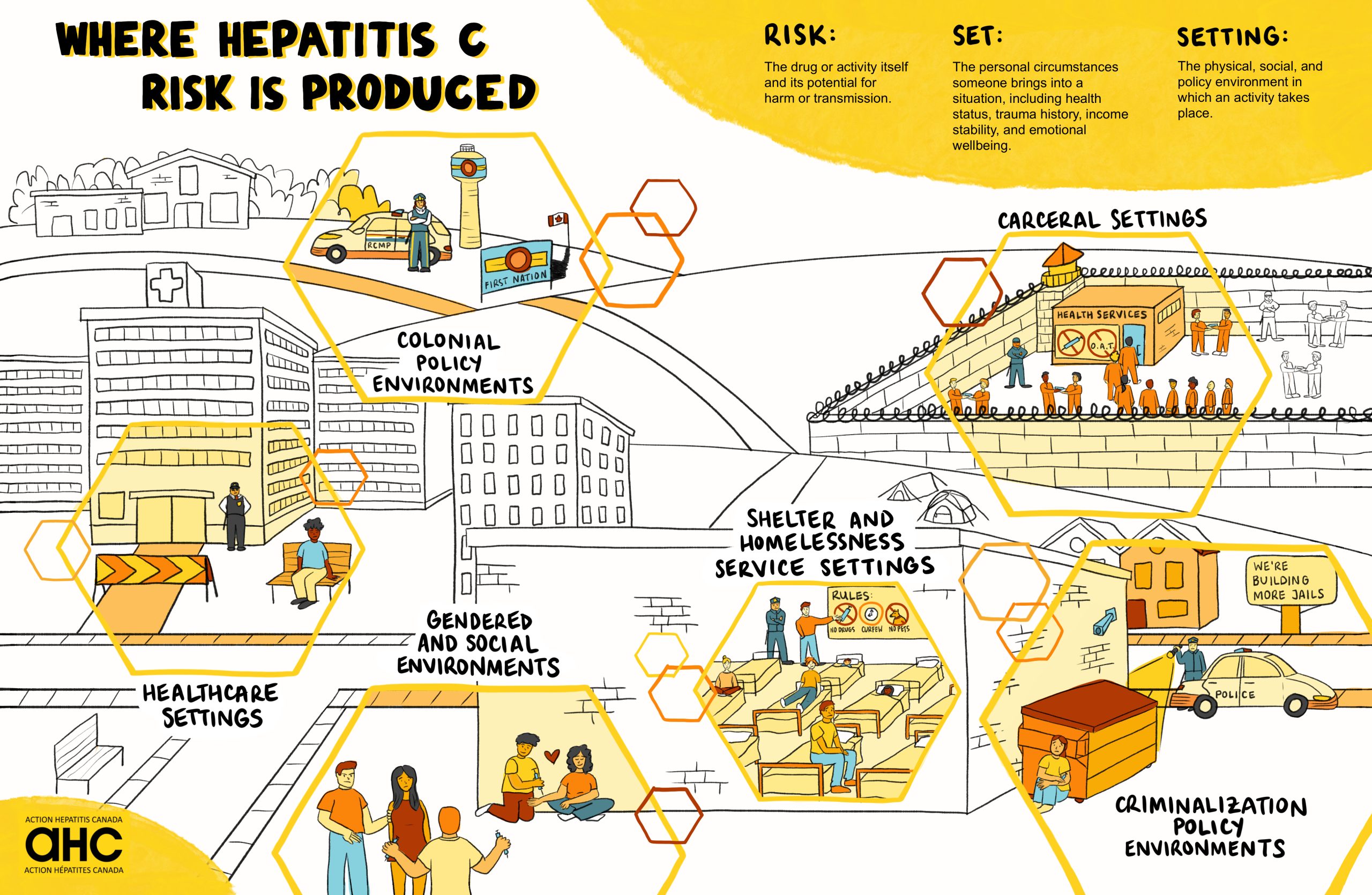
Canada has committed to eliminating viral hepatitis as a public health threat by 2030. The tools to achieve this exist: hepatitis C is curable, and effective prevention strategies are well established. Hepatitis B is manageable and vaccine-preventable. While science has opened the door to eliminating viral hepatitis, infrastructure determines who gets to walk through it. In Canada, hepatitis C continues to disproportionately affect people who use drugs, particularly those navigating unstable housing, criminalization, and other systemic barriers to care. These patterns are not solely indicative of individual behaviour; they are a direct reflection of environments that either offer or deny access to prevention, treatment, support, and care.
Check out the full 2026 report and recommendations for policymakers, prepared by Action Hepatitis Canada.
4. National and Provincial/Territorial Commitments to Elimination Efforts
BC Viral Hepatitis Elimination Roadmap
This fall PAN and CanHepC co-hosted a webinar that shared key findings from the BC Hepatitis Elimination What We Heard Report (also available here along with other provincial reports) and created a space for dialogue about what those findings mean in practice.
The session presented the BC Viral Hepatitis Elimination Roadmap initiative, the resulting report, and explored how the included recommendations resonate across different communities, service settings, and systems, with a strong focus on community-based settings and organizations.
This session was recorded and now available for on-demand viewing.
5. Treatment
Thinking About The Full Care Continuum
One interesting takeaway from this webinar was that Hepatitis C treatment rates are decreasing. With highly effective treatment of Hepatitis C, medications called direct-acting antivirals or DAAs, Hep C is a very curable disease! What are ways to address this…
At the Policy Level: Simplified pathways to diagnosis and treatment
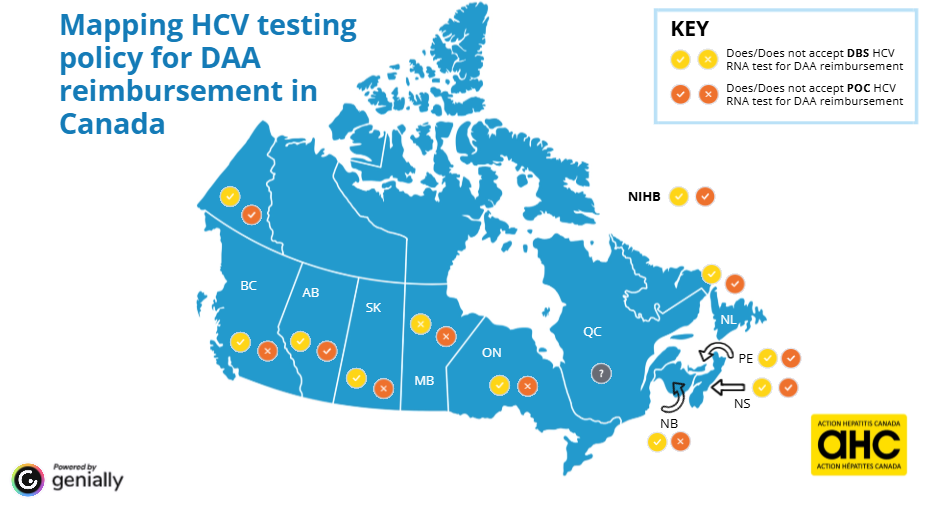
Action Hepatitis Canada (AHC) believes, ideally, a person could get tested for HCV, receive their diagnosis, and start treatment, all on the same day.
To fully benefit from point-of-care (POC) and rapid testing technologies, provinces and territories need policies that integrate these testing technologies into data collection and reimbursement systems, as well as public funding models. To help inform your advocacy and your testing strategies, AHC have created an interactive map to help you track testing policies in each jurisdiction.
Learn more by clicking on the map below.
At the Community Level: Standards of Practice
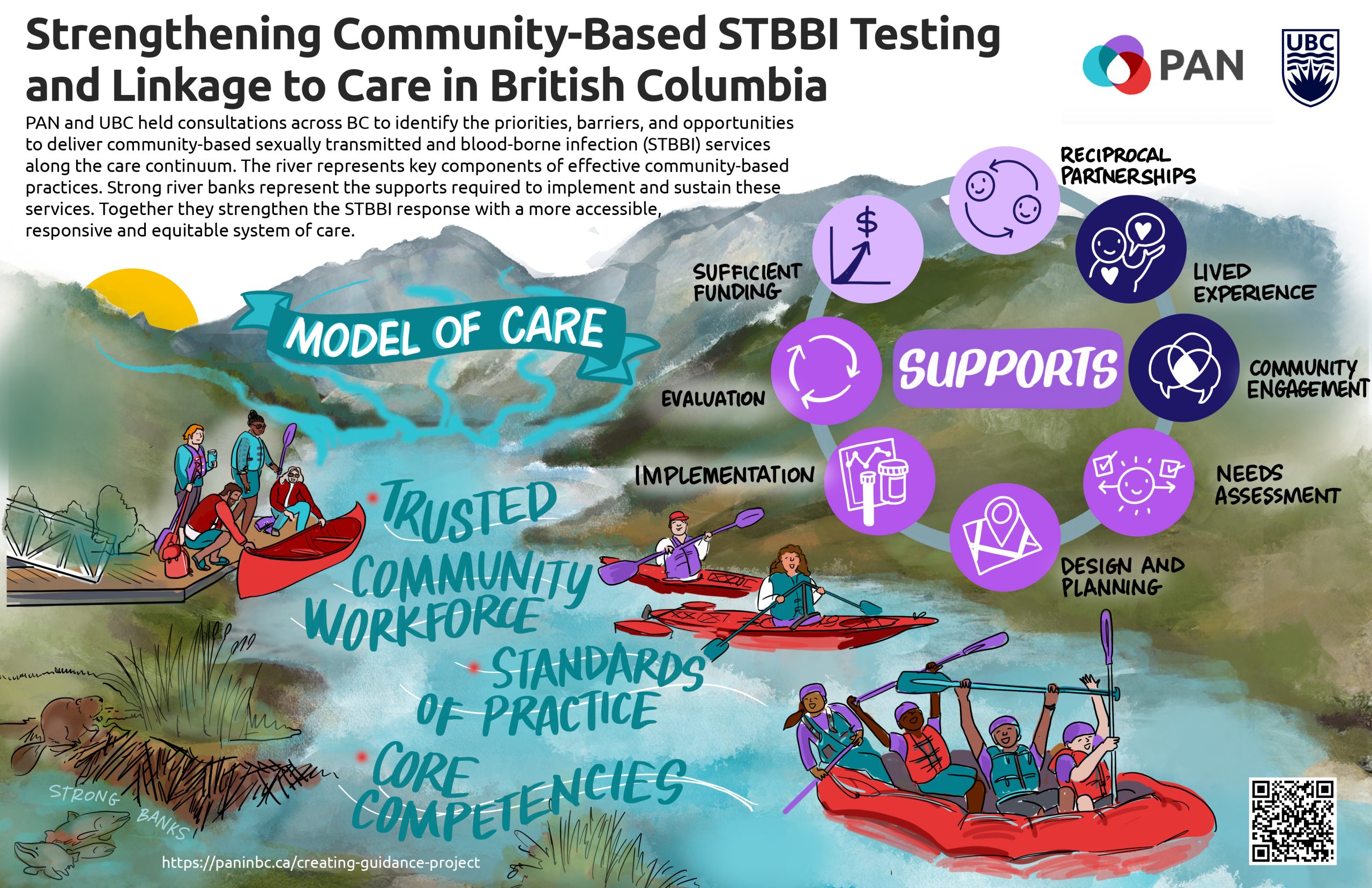
Standards of practice from the forthcoming Framework to Support and Strengthen Community-Based STBBI Testing and Linkage to Care in British Columbia, outline some of the good practices that are being done within trusted community systems of care. Learn more the full project here.
**The framework came directly from the consultations, and the standards are meant to be flexible and adaptive; offering guidance for how peers or community-based workers can engage with people receiving services, and work alongside health or other service providers. Good practice within these standards will take shape differently in every community.
1. Using and Building Strong Networks
For peers and CBOs, using and building strong networks not only supports service users but also service providers. The trust that peers and people with lived and living experience build and hold with those they serve also translates to the care and support they build with each other professionally and informally. A strong network of peers fosters career growth and connection, which at times can expand beyond provincial borders. Peer networks (provincial and inter-provincial) help service users connect to known-to-be-safe and supportive programs and providers in other areas of Canada, reducing care interruptions.
2. Integrating into Points of Contact / Established Programs
Integrating STBBI testing and linkage to care into points of contact, such as pharmacies where people access medications that require daily witnessed ingestions (DWIs), has proven successful. Other valuable avenues include cultural meeting spaces and established programs that are addressing needs such as primary/urgent health care, identification or tax support services, meals, groceries, laundry, shelter, job pools, drug checking or supervised consumption sites, for examples.
An advantage of integrating STBBI testing and linkage to care into settings where people already access a range of services is that it normalizes testing as part of routine care, reduces stigma associated with seeking testing, and creates opportunities to address multiple health and social needs concurrently. This approach also encourages opportunistic testing and supports earlier engagement in care.
3. Tailoring Information and Services
Fulsome STBBI testing involves more than simply providing a test —it also requires meaningful conversations that help people understand their options and make informed decisions about their care. Consultations highlighted the importance of assessing whether someone can engage in a conversation about STBBI testing and retain the information provided. This requires tailoring information to an individual’s needs, beginning with where they are at, listening to their priorities, and considering what other needs may need to be addressed alongside testing. Providing information in multiple formats—including verbal, visual, and written materials—can help accommodate different literacy levels, learning styles, and communication preferences.
Community/population specific messaging is key to make testing and linkage to care more approachable. Cultural and intergenerational differences can signal the need for new and creative ways of engaging with and sharing information.
4. Testing for Multiple Infections and Providing Confirmatory Testing
In community consultations we heard that having a clear pathway to confirm a reactive or preliminary positive result from a rapid screen was good practice. Providing someone with a rapid screen only can be potentially harmful when next steps are not available. It was noted in consultations that handing a person a lab requisition to complete independently or directing them to another clinic was not an effective strategy for confirmatory testing and having the ability to offer confirmatory testing alongside point or care/rapid screening and/or peer accompaniment for additional testing/clinic visits was a more successful approach.
Testing for multiple infections is a suggested intervention to improve care, especially among populations who face obstacles to wellbeing and are often at high risk of STBBIs. Check out this resource on universal screening for syphilis and other STBBIs among people presenting for substance use related care.
5. Creating Clear and Predictable Care Paths
Accessing testing, even elements of self-testing [where an individual collects their own sample, conducts the test and in some cases interprets the result themselves], involves interacting with other people. Interpersonal experiences can be complex to navigate. Good practice in community is making mindful, person-centred referrals to services when needed and when options in providers or facilities are available. Peer accompaniment can also positively impact an individual’s experience when these options are not present.
Clear and predictable care paths mean that an individual understands what they are likely to experience during service access, what to expect, and/or how to navigate them. Predictability of the testing experience and clear paths within a care continuum sets service users up for success. Importantly, it also increases their confidence in health care, as well as their own ability to access and navigate it.
Viral Hepatitis is preventable and treatable. There are fast and accurate tests, effective and affordable treatments, and a proven vaccine for hepatitis B. We already have everything we need to eliminate it. World Hepatitis Testing Week is not only an opportunity to think about important public health target. It also gives us an opportunity to think about community knowledge, whole-person care, and rights, equity, and government accountability.