
In 2020, PAN released an HIV testing needs assessment which recommended community service providers such as peers [someone who applies their knowledge and experience of (for examples, but not exclusively) a bloodborne infection, using illicit substances, and/or im/migration processes to the performance of their job duties within healthcare, community or social service settings] or other staff in community-based organizations (CBOs) be supported to take a greater role in testing to reduce demands on clinical services. Guidance for Assessment and Training of HIV Point of Care Testing Providers in British Columbia – Non Regulated and Allied Health Care Providers (NRACP) also notes NRACPs (e.g. dentists, pharmacists, social workers, counsellors, people with lived experience and/or peers, community health workers, community health representatives) are not only appropriate testing providers but also may be more effective at engaging with people from high prevalence populations or communities. However, what PAN set out to do, in partnership with Dr. Mark Gilbert and funded by UBC Community-University Engagement Support (CUES) Fund, was to better understand what roles peers and other CBO staff play, and what resources and infrastructure are required to support community-based STBBI testing and linkage to care.
Community Consultations
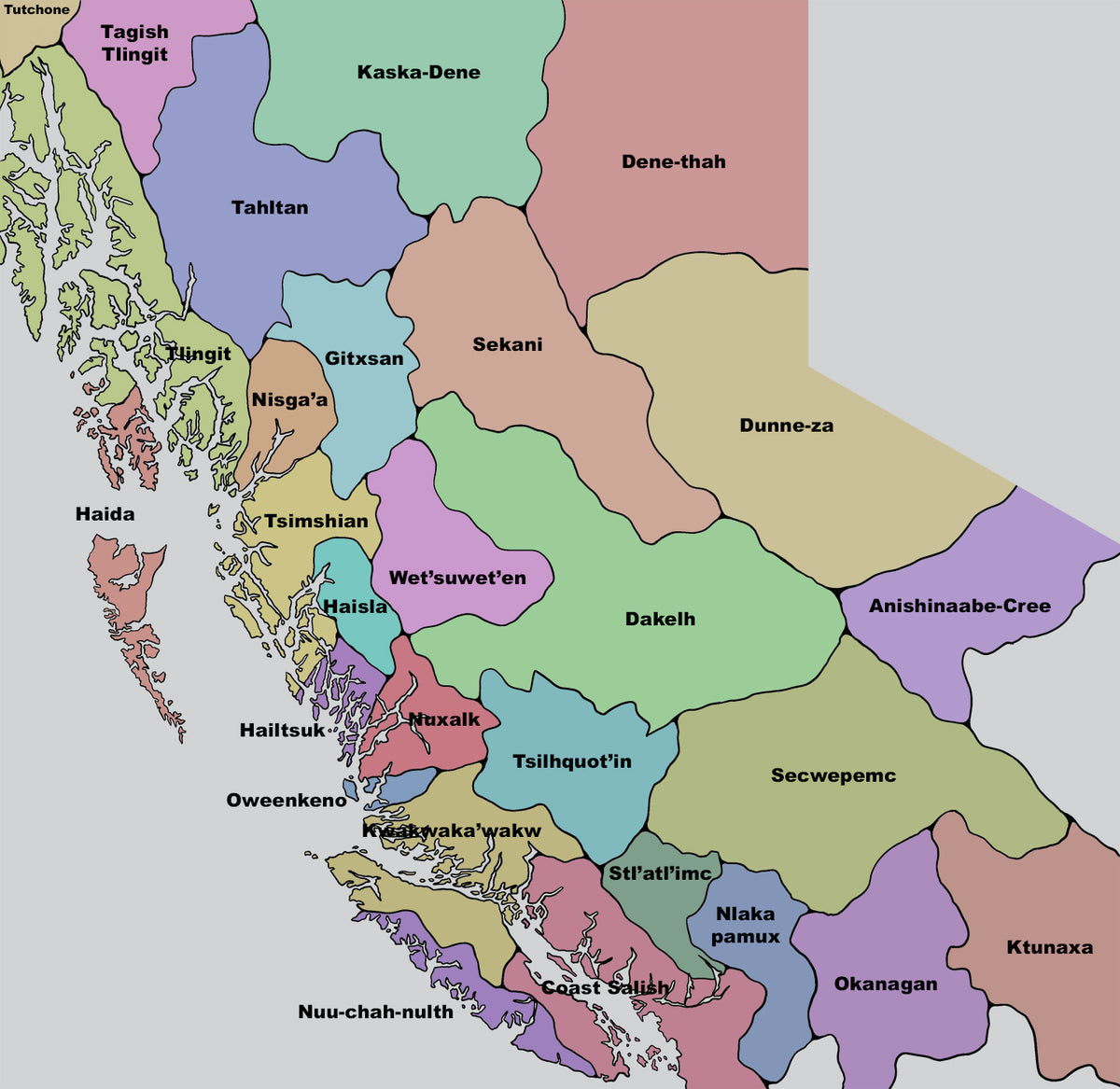
Our province is big and diverse! Such a wonderful attribute also poses a daunting feat to hear as much as possible, from as many as possible in order to produce a framework that everyone can see themselves in. In preparation we met with provincial groups, a community advisory committee, and a core, internal leadership team to inform HOW we were working – recognizing this was just as important as what we were working towards. The approach we then took was hosting various community consultations during the Fall of 2025 where we spoke to 80+ individuals across the province through: 3 online, open calls via zoom; 3 in-person meetings; 3 one-on-one focused sessions; 3 community specific meetings; and 7 online survey submissions. We heard from people with lived/living experience, peers, community-based service directors and providers, healthcare providers, health authority representatives, and researchers engaged or wanting to be engaged in STBBI testing and linkage to care services.
Our approach to creating the Testing Guidance Framework
What we noticed during the consultations was that something identified as a barrier in one community, was being navigated by another. Areas of self or organizational improvement identified by some, were already established, longstanding practices for others. Contradicting practices were both yielding successes. For example, some saw on the ground that testing multiple people at once was calming and less intimidating for community members, while other consultants voiced the unknown of “who’s watching” when testing is public was a big deterrent.
This, to us, was such a huge success! We knew the number of people we were going to be able to connect with in our timeframe and budget was not going to sufficiently paint a picture of community-based STBBI testing and linkage to care in BC, but to be able to capture some diversity felt amazing. Seeing paradoxes allowed us to side-step static definitions and focus on articulating guiding considerations and inclusive best practices that communities, CBO leaders, and provincial STBBI testing practice leads and decision-makers can reflect on as they decide what that means for them collaboratively. We hope this project fosters curiosity and the future work that grows from here only spreads wider in understanding all of the successful ways communities are taking care of each other, and what they need to do this sustainably.
The integration of other community-partnered documents
Identified in a community consultation, people with lived and living experience, peers, and other community-based voices have long been involved in similar work; all slowly moving the dial towards more empowered, inclusive, and sustainable health systems. Therefore, we have chosen to include knowledge from other community-based projects in this document (and reference many other supportive works). Embedding Peer-Delivered Services in Community-Based Organizations is a resource that can equip organizational leaders with practical insights into integrating peer-delivered services effectively. And The Making It Work Community Guidebook outlines distinct roles for organizations and service providers, recognizing their different responsibilities for providing quality care to community members, while also highlighting the many ways these roles intersect in practice.
Written by Emily Taylor-Lariviere